In Defense of Men (And a Challenge for Them Too)
Dec 22, 2025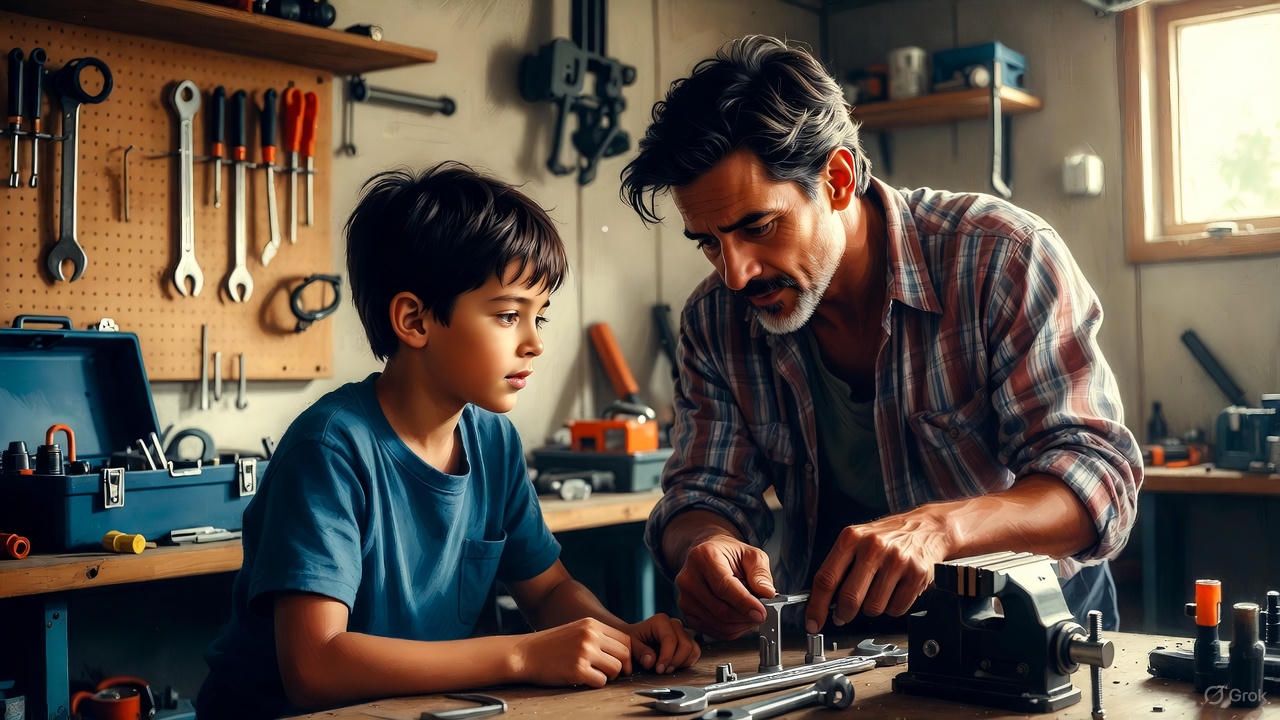
I'm tired of the way our culture talks about men.
Turn on any sitcom and the dad is a bumbling idiot who can't find the milk in the refrigerator. Watch any commercial and the husband is clueless while his wife rolls her eyes and saves the day. Scroll social media and you'll find endless posts about how men are toxic, unnecessary, or fundamentally broken.
Young men are growing up being told that masculinity itself is the problem. That the very traits that make them men—strength, competitiveness, the drive to protect and provide—are dangerous and need to be suppressed.
I call nonsense.
Men are not the problem. And it's time someone said so.
The Book We Wrote
Years ago, my dad, my brother Greg, and I sat down to write a relationship book for men. The conversation went something like this:
"I don't know if I can do it," Greg said. "I'm tired of men-bashing books."
"Men-bashing?"
"Yeah. You know, the kind where we're all inept at relating."
And he had a point. Most relationship books for men start with the assumption that guys are well-meaning bumbling idiots who need to be fixed. The message is always the same: you're doing it wrong, here's how to be less of a man and more of what women want.
We decided to do something different.
We wrote "The Men's Relational Toolbox"—a book that started by celebrating what men are actually good at before challenging them to grow. Because here's the truth: men have incredible strengths. God-given tools that make them naturals in certain settings.
The problem isn't that men have these tools. The problem is that these tools alone aren't enough for building great relationships.
What Men Are Good At
Let's be honest about what most men bring to the table:
The Take-Charge Tool. When something needs to happen, men step up. They assess the situation, make a decision, and move. This is why men have historically been protectors and leaders. It's not toxic—it's a gift.
The Problem-Solving Tool. Men see a problem and immediately start looking for solutions. They want to fix things, make things better, find a way forward. This drive has built civilizations.
The Provider Tool. There's something deep in most men that wants to provide for the people they love. To work hard, sacrifice, and ensure their family has what they need. This isn't outdated—it's honorable.
The Competitive-Drive Tool. Men push themselves to be better, stronger, faster. They thrive on challenge and competition. This drive has produced incredible achievements in every field.
The Fact-Finding Tool. Men gather information, analyze data, and seek understanding. They want to know how things work and why.
These aren't flaws to be corrected. These are strengths to be celebrated.
When there's danger, you want someone with the take-charge tool. When something's broken, you want someone with the problem-solving tool. When the family needs provision, you want someone willing to sacrifice and work.
Men are not toxic. Men are necessary.
My Confession
Now, I should confess something: I've always been an outlier.
I'm sensitive. Emotionally intelligent. I love to talk—sometimes too much. I'm terrible with directions. I cry at movies. I'd rather process feelings than watch football.
In other words, I'm not the stereotypical guy.
But here's what I've learned: just because I'm different doesn't mean the stereotypical guy is wrong. Most men aren't like me. They're quieter, more stoic, more task-oriented. They show love through action rather than words. They protect rather than process.
And that's okay. That's good, actually.
The problem isn't that men are men. The problem is when we expect them to be something they're not—and then criticize them for failing to be that thing.
The Challenge
But here's where I'm going to push back on my fellow men.
Having provider and protector tools is great. Being strong, decisive, and competitive is valuable. But if those are the only tools in your toolbox, you're going to struggle in relationships.
Because women aren't problems to be solved. They're people to be understood.
In our book, we identified the tools most men already have—and then showed them what's missing. Here's the gap:
When you use your Fact-Giving Tool, she wants the Open-Sharing Tool—intimate, personal details from your heart, not just information.
When you use your Fact-Finding Tool, she wants the Patient-Listening Tool—to be heard and understood at a deep level, not just analyzed.
When you use your Take-Charge Tool, she wants the Loving-Compromise Tool—to feel like an equal, respected partner, not someone being managed.
When you use your Problem-Solving Tool, she wants the Tender-Touch Tool—physical affirmation and comfort when she's hurting, not a five-step plan.
When you use your Competitive-Drive Tool, she wants the Time-and-Energy Tool—shared experiences and connection, not someone always trying to win.
You don't need to throw away your tools. You need to add to them.
The Toolbox Metaphor
Think about your actual toolbox out in the garage.
If all you have is a hammer, you're going to struggle with a lot of projects. You can't tighten a bolt with a hammer. You can't measure anything with a hammer. You can't cut a board with a hammer.
The hammer isn't bad. It's just not enough.
Same with your internal tools. The take-charge, problem-solving, provider tools aren't bad. They're just not enough for building a great relationship.
So what do you do when you need a tool you don't have?
You go get it.
That's what this is about. Not becoming less of a man. Not suppressing your God-given strengths. But adding the relational tools that will help you connect with the woman you love at a deeper level.
Real strength isn't just protecting your family from danger. It's also being vulnerable enough to share your heart.
Real provision isn't just paying the bills. It's also giving your time, attention, and emotional presence.
Real leadership isn't just making decisions. It's also listening, compromising, and honoring your partner as an equal.
To the Women Reading This
If you're a woman who stumbled onto this article, I have a request.
Please stop expecting your man to be something he's not.
He may never be as verbal as you. He may never process emotions the way you do. He may always default to problem-solving when you just want to be heard.
That doesn't mean he doesn't love you. It means he's a man.
The goal isn't to turn him into a woman with chest hair. The goal is to help him add a few tools while celebrating the ones he already has.
He's not broken. He's just different.
And those differences? They're not bugs—they're features.
A New Year's Challenge
As we head into a new year, here's my challenge to every man reading this:
Pick one relational tool to work on.
Maybe it's patient listening—actually hearing her without immediately jumping to solutions.
Maybe it's open sharing—telling her what's really going on in your heart instead of just "I'm fine."
Maybe it's tender touch—holding her when she's upset instead of trying to fix the problem.
You don't have to overhaul your entire personality. Just add one tool.
And to the culture at large: stop telling men they're toxic for being men. Start celebrating their strengths while inviting them to grow.
Men are protectors, providers, problem-solvers, and leaders. The world needs more of that, not less.
We just also need men who can listen, share, compromise, and connect.
Both things can be true.
If you're looking for help adding relational tools to your toolbox, check out what we offer at smalleyinstitute.com. Whether it's coaching, courses, or community—we're here to help you become the man you were created to be.
You can text me at (303) 435-2630 or email [email protected].
What relational tool do you most need to add? Or if you're a woman—what do you wish men understood about what you actually need? Let's talk about it in the comments.
Discover the hidden relationship killer destroying most marriages (and how to stop it).
Join me twice a week for real transformation!
I'll send you proven strategies for your marriage, spiritual growth, trauma healing, and recovery. No generic advice—just what actually works from 30+ years in the trenches.
I hate SPAM. I will never sell your information, for any reason.